
Building belonging through sport
Building belonging through sport
By Education Gazette editors
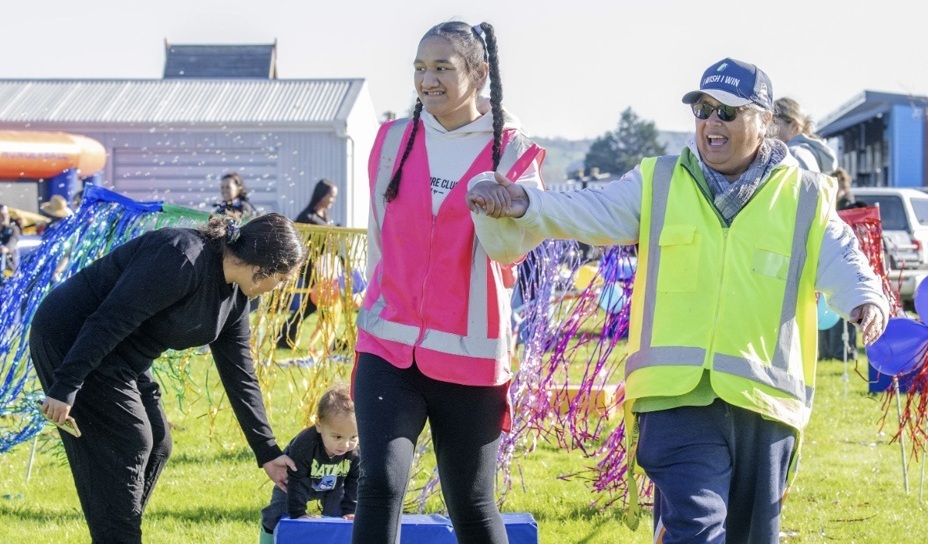
Thanks to a collaboration between schools, community groups and mana whenua, Wairoa neurodiverse and disabled ākonga are thrilled to participate in inclusive sports days – and reaping the rewards.
“There is a diverse range of needs,” says Bernadette Reedy, special education needs coordinator (SENCo) at Wairoa College.
Currently supporting 10 students aged 11 to 21 in the school’s Rangiātea Centre, she says most have autism and 6 are classed as non-speaking.
Their physical activity was previously limited to 30 minutes a week in the school gymnasium due to demand for the facility, using their own equipment or making do with what was set up.
“We wanted to look at another way we could get our students more physically active.” Di McCallum, a learning support coordinator working with hundreds of students in the Wairoa region, also felt a new approach was needed.
“The kids were doing their normal, modified PE programmes at school, but there was nothing for them outside of that,” she explains.
“Why couldn’t they get out and have their own sports days?”
At the same time, Sydney Rore, healthy learning advisor at Sport Hawke’s Bay, was developing action plans with Wairoa schools as part of the organisation’s Healthy Active Learning initiative.
“A lack of inclusive opportunity was a common theme,” she says.
Getting a move on
With the help of the Halberg Foundation, Sport Hawke’s Bay ran 2 ‘Have a Go’ days at the Wairoa Community Centre. Students played with modified equipment had a go at sports such as balloon badminton and wheelchair basketball.
Alongside these events, Sport Hawke’s Bay also ran inclusion trainings facilitated by Halberg advisors for teachers, community members and high school students, to help them better support children with diverse needs to engage in physical activity.
“The kids had an absolute ball at the ‘Have a Go’ days”, says Di, “and we were cheering them on from the sidelines. Seeing the response from the kids, we thought, ‘we need to do more of this. Let’s make it happen’.”
A working group of Di, Bernadette, Sydney and Luana Mitchell from Māori health and social service provider Kahungungu Executive, set about doing just that.
Funding from Wairoa’s Te Whare Maire o Tapuwae Charitable Trust paid for a range of equipment, such as foam balls, crawl tunnels, mats, hoops and balancing gear.
Funding from Tū Manawa Active Aotearoa, distributed through Sport Hawke’s Bay funded a trailer to transport the equipment, while local roading company QRS is sponsoring its maintenance.
The unstructured sports days soon evolved into themed sporting events, aligned with the interschool calendar, says Sydney.
“The whānau response was that they wanted their children to experience different forms of activity and experience the same things mainstream students get to experience.”
The first event was a swimming sports day in term 1, says Di. “The community centre put up a floating castle. The kids just loved the day; they are absolute water babies.”
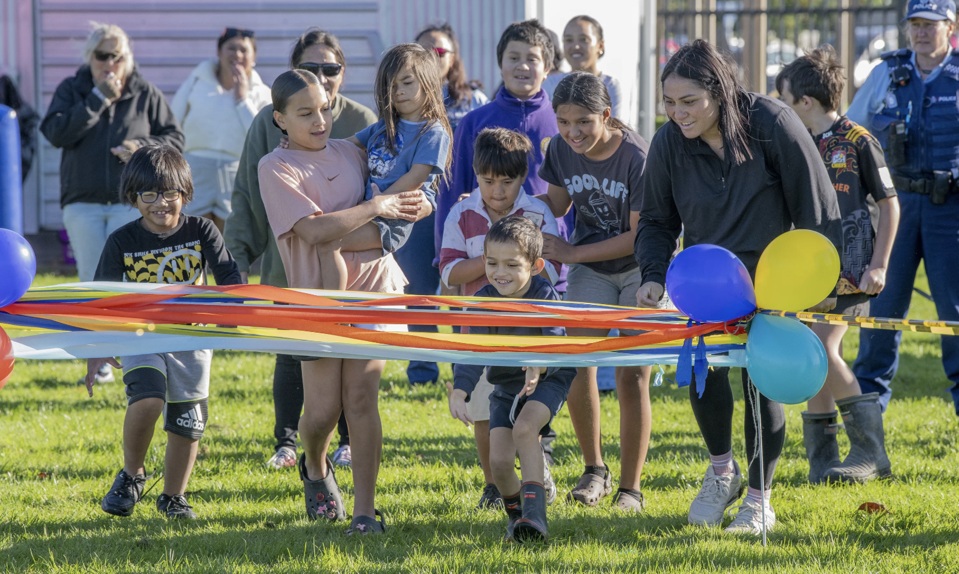
That was followed by a colour run in term 2.
“The little ones just ran around and around for 3 hours,” she laughs.
In August, ākonga enjoyed a gymnastics day, while term 4 will see the students take part in a modified athletics day.
“All the schools in our area are invited to send all their students with disabilities or who are neurodiverse,” says Bernadette. “We started with 20 kids; we’re now up to 40-plus.
“More kids and schools are coming.”
Improved wellbeing and socialisation
The sports days are an opportunity to get kids physically active, without it being too strenuous or overwhelming, says Bernadette. But the events are achieving far more than just movement.
“The opportunity to go on trips is exciting for them. They are happy when they come back and it seems to be flowing through to their general wellbeing.”
The students are learning to socialise and make new friends, says Di.
“They get to mix with other kids like themselves and they are starting to recognise others from other schools. It’s just opened up their worlds a little bit more.”
Teachers and support staff, who sometimes work in isolation, are also meeting and forming social and support networks, says Bernadette.
“The job has incredible rewards but it does have its challenges.”
Growing confidence in tamariki and whānau
Teachers have noticed increased confidence among their ākonga, who can find new types of physical activity intimidating, says Di.
“They are gaining confidence from having a go and being brave and taking a few knocks along the way and being OK about it. The kids come back from their day out and they are excited and heightened by it.”
That growing self-assurance is flowing through to whānau.
“Their response has been incredible. We’re having a lot more parents joining in these days and just having fun with their kids. They are more relaxed about their children being out in the community. They know it’s OK and they know the kids know how to behave.”
Bernadette says the sports days have also allowed ākonga who will be attending Wairoa College to become familiar with her, her staff and the other students – smoothing the way for their transition to high school.
“It’s not as scary and they feel a little bit more comfortable coming into our space.”
Strengthening school and community connections
Whānau report the sports days have made their tamariki more positive about attending school, and they are enjoying increased interaction with ‘mainstream’ school children as well.
As a kaihauora (health worker), Luana visits schools to deliver Māori games, such as kī-o-rahi and tapu ae, and development programmes for younger children learning skills including catching and throwing.
In school grounds all around Wairoa, she sees the impact of the sports days first-hand, on both taonga tamariki and mainstream students.
“Diverse tamariki see me at schools and come running up to me and join in my sessions. I just love their reaction to being involved with everyone else.”
Student leaders who help at the sports days take their learning back to their schools.
“Other tamariki learn not to exclude them or yell at them but be patient with them. And if a diverse child is playing up, they are more likely and willing to comfort them.”
The sports days have become largely sustainable in terms of funding – thanks to the equipment, schools hosting events where possible and community support.
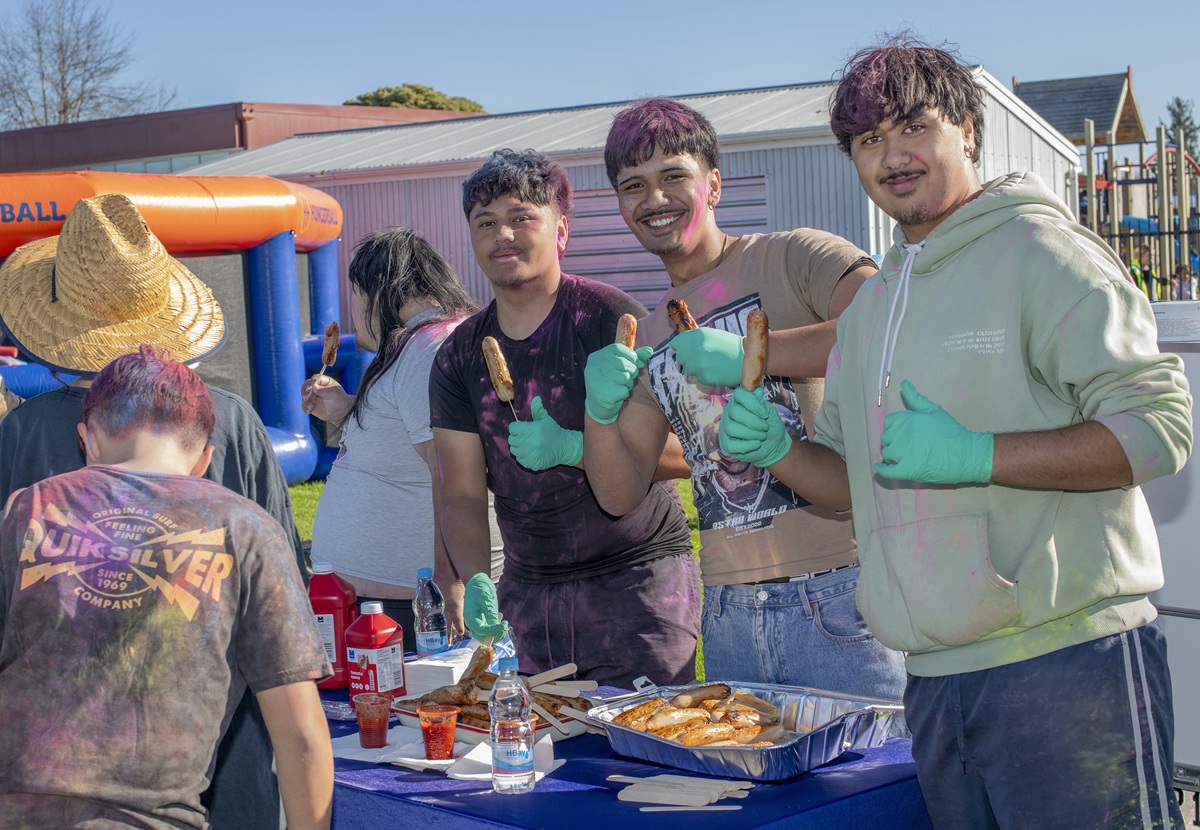
New World Wairoa provides sausages – cooked by Wairoa Police, who also join in the sports days – while Kahungungu Executive supplies water and fruit.
Senior leaders from Wairoa College are always on hand to help set up, prepare kai, participate in the games and pack down.
“Whānau just keep asking for more”, says Luana. “We’d love more people to help us and give input as to what their kids would like and need. Parents just love having something for these children in Wairoa.
“I absolutely love it too. They have the biggest hearts and the biggest smiles.”
First published in the Education Gazette | Tukutuku Kōrero, 11 October 2026


