
When being active becomes a reason to come to school
When being active becomes a reason to come to school

Through Active As, Thames High School is creating more opportunities for ākonga to be active as part of school life.
From timetabled sessions and student-led activities to active gaming, the school is responding to the needs and interests of ākonga – helping them feel happier, more connected and active, and with an increased sense of belonging.
One ākonga shared that younger whānau members check their timetable, see an Active As session and say they do not want to miss school that day. It is a small but important comment that shows what the school is working to create: a school environment where being active can contribute to connection, belonging and the wider school experience.
For staff, these changes are showing up in both the data and everyday school life.
In student surveys, ākonga reported an increase in a sense of belonging from 44% to 50%, and an increase in being happy to go to school from 44% to 48%.
Tess Watts, Sports Co-Ordinator and Active As Lead says:
“We’re seeing encouraging signs in attendance and in how students connect with school. Some students really look forward to their Active As sessions. They arrive keen to take part and afterwards we see them more engaged with each other and with the rest of their school day.”
Transforming what being active looks and feels like
Like many schools, Thames High School recognised that traditional approaches to physical activity were not working for everyone. Some ākonga felt less confident joining in, while others wanted different ways to be active. Younger akonga often needed encouragement to get involved. Staff wanted to better understand what would help more ākonga feel comfortable participating.
Working alongside Sport Waikato through Sport NZ’s Active As programme, staff have been listening to ākonga about how they want to be active and what gets in the way. This has helped inform a mix of opportunities across the school, including timetabled Active As sessions, student-led activities at breaktimes and additional active gaming sessions for ākonga who may be less confident or less active.
School leaders and the Board have supported the programme and given staff the space to respond to what they are seeing and hearing from ākonga.
“Our teachers know their students. They’ve listened to what ākonga enjoy, what holds them back and what would help them take part. That’s allowed them to create opportunities that mean something to students now, while helping them find ways to be active that they can carry beyond school,” says Gareth Wright, Deputy Principal.
Since starting Active As, Thames High School has created timetabled Active As sessions across year groups, making being active at school and in the community a priority each week.
Active As facilitator, Xavier Brown, noticed the benefits of these regular and consistent sessions for ākonga.
“By timetabling a dedicated time for students to try different ways of being active we’ve been able to see what they enjoy, listen to what isn’t working and adapt the sessions so more students feel able to take part.
“Because it happens every week, students know it’s part of their school day. They have time to find something they enjoy, build their confidence and come back to it, rather than feeling they have to get it right the first time.”
Outside of these sessions, ākonga have been involved in planning and leading activities at breaktimes, adding to the range of opportunities available to their peers. Specific junior and senior sessions also helped address some of the barriers ākonga identified around feeling welcome and comfortable to have a go.
“It feels easier to join in when you can choose something you enjoy and do it with your friends. You don’t have to be good at a sport to have a go.”
Active gaming creates a new way in
Finding ways for ākonga to feel comfortable and excited about being active has driven one of the schools and Sport Waikato’s more innovative changes – introducing active gaming into Active As sessions.
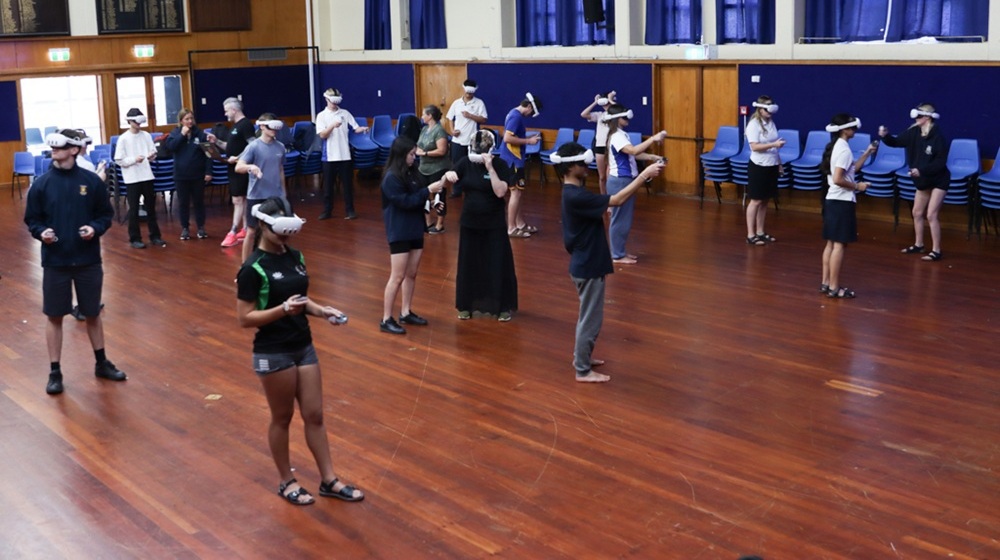
Ākonga use VR to play active games that are fun, social and inclusive. They use their bodies as controllers across a range of active gaming options. These include traditional sports, such as tennis and boxing, as well as games like Beat Saber, where ākonga use virtual sabres to slash blocks in time with music.
Using technology they already love, a new door is being opened for ākonga who were less active or less confident.
“Using the VR headsets has given some students a way in. They recognise the technology, they enjoy playing together and while they’re having fun, they’re moving,” says Tess.
For one student, that confidence has extended beyond VR and into other ways of being active. A staff member comments:
“One student was very self-conscious and refused to participate in swimming sports. They always sat back in class and didn’t like to get involved in activities. Once they used VR they felt comfortable in another world. Since then, they have now started participating in sports at lunchtime and pretend they are in another world.”
What they’ve learned
When asked what they would say to other schools who want to transform how they integrate being active into school life, the team at Sport Waikato and the school shared 6 things they’ve learned:
Use peer invitation, not just adult encouragement
Senior ākonga inviting juniors can help create a sense of safety and belonging.Create open, welcome and inclusive spaces where all ākonga feel comfortable
Junior-only sessions, girls-only sessions and dedicated opportunities for less confident ākonga can make activity feel easier to join.Let ākonga shape activities
Activities are more likely to work when they reflect different interests, confidence levels, skill levels and social preferences.Focus on effort, not performance
Positive feedback, encouragement and social recognition help ākonga feel safe to give it a go.Keep the environment fun, varied and flexible
For less active ākonga, activity works best when it feels inclusive, social and enjoyable.Try new entry points
For some ākonga, active gaming can be a fun, familiar and low-pressure way to get moving.


