

Every Body Active by Design
Practical guidance for creating urban environments that promote and enable physical activity, wellbeing and connection
The places where we live, work, learn and play influence how active we are every day. Every Body Active by Design provides practical guidance for creating urban environments that make regular walking, wheeling, cycling, play and social connection easy and enjoyable, helping build healthier, more connected communities across Aotearoa. It helps planners, designers, mana whenua, communities and decision makers to create places where everyone can move, play, connect and belong.

Enable everyday activity for every body
Discover how active design helps create healthier, more connected communities by making everyday movement easier, safer and more enjoyable.
Video transcript
Every day, our cities, streets and neighbourhoods shape how we move.
Tamariki play on the way to school, neighbours stop and talk, people stroll to the shops, ride to work and spend time together. In places like these, movement feels like part of everyday life.
Whether you're playing, commuting or simply getting around, the difference isn't the people, it's the place. And most of the time, it's just how the place works.
When places are designed to support movement, activity happens naturally. That's the idea behind active design: creating places where the active choice is the easy choice.
Make it easy to walk, easy to wheel, easy to cycle. Create places that feel safe, welcoming, connected, and easy for everyone to use.
Something powerful happens. People move more without even thinking about it. Same people, same lives, a little more active every day.
And the benefits reach far beyond physical activity.
Communities grow stronger and neighbourhoods become places people want to spend time in. The air gets cleaner. Local stories, culture and identity become part of everyday life. Neighbourhoods become more connected and welcoming, and those benefits add up.
For people, communities and the economy, all of it is shaped by the way we design our places.
Healthier people. Stronger communities. Greener towns. Smarter spending. A richer sense of who we are.
That's active design in action.
Imagine every neighbourhood feeling like this.
Every Body Active by Design.
Download the guide at activebydesign.org.nz.
Benefits of active design
When movement becomes part of everyday life, the benefits go beyond physical activity. Active design supports better physical and mental health, social cohesion and environmental outcomes. Local economies benefit and places reflect the people and histories that make them unique.

Physical and mental health
Making movement part of everyday life is good for both body and mind. Regular physical activity supports cardiovascular health and reduces the risk of chronic disease, while walking, wheeling, cycling, playing and spending time in nature can improve wellbeing, reduce stress and help people feel more connected.

Social
Great places bring people together. Streets, parks and public spaces that are safe and easy to move through create more opportunities to meet, play and spend time together. This strengthens social cohesion, helps people feel safer and more connected, and supports vibrant, thriving communities.

Environmental
Encouraging walking, wheeling and cycling, while bringing more of nature into everyday environments, supports biodiversity, improves air quality and helps communities adapt to a changing climate.

Economic
Good design delivers long-term value. Active communities can help reduce transport costs, support local businesses and make better use of public investment. Over time, increased everyday movement can improve health outcomes and help reduce healthcare costs.

Cultural
Places that reflect local stories, identity, aspirations, connections to and protection of te taiao and sites of significance help people feel a stronger sense of belonging. Active design can celebrate what makes a place unique and strengthen connections between people and place.
Principles of active design
Active design is built on 5 principles that contribute to enabling everyday activity for every body. Used together, they help create places that support everyday movement, connection, wellbeing and a strong sense of place. Key to success is the concept of working together using the shared language of active design.
Movement - Connect people to places
Make it easy, safe and attractive to walk, wheel and cycle between homes, schools, parks, shops, public transport and other everyday destinations. Well-connected places make movement a practical part of daily life.

Joy - Promote playfulness and fun
Create places that encourage curiosity, exploration and fun. Opportunities for play, discovery and social interaction help people of all ages move more often and enjoy being active as part of everyday life.

Vitality - Bring spaces and places to life
Design streets, parks and public spaces that can adapt with the season or activity and include opportunities to explore, play and connect. Vibrant, well-maintained places encourage activity and interaction, giving people reason to visit, stay and connect with others.
Nature - Integrate everyday encounters with the natural environment
Bring nature closer to everyday life through street trees and planting, parks, waterways and open spaces. Access to nature makes places more inviting and supports the wellbeing of people and the environment.
Identity - Celebrate the essence of people and place
Create places that reflect local identity, mana whenua values and community aspirations. When people feel connected to where they live, work and spend time, they are more likely to care for and use those places.


Active design in practice
Blue-green corridors
Blue-green corridors connect people with nature, increase biodiversity, and manage stormwater, all while supporting everyday movement. Walking and cycling routes alongside waterways, wetlands and coastlines create active, resilient and attractive places. Improved access to waterways can enable recreational activities and sport like kai gathering and waka ama.
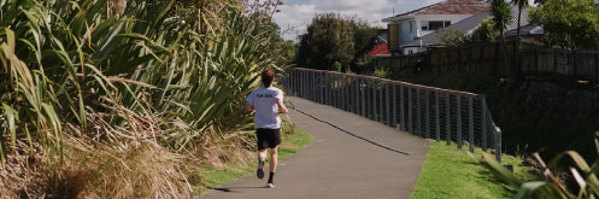
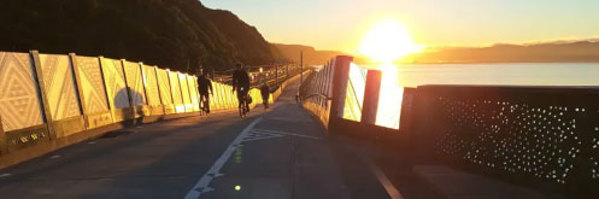

Te Auaunga Oakley Creek restoration
Wesley, Tāmaki Makaurau Auckland
Restoring an urban stream created safer routes, richer experience of nature and welcoming places.

Te Ara Tupua
Te Whanganui-a-Tara to Te Awa Kairangi ki Tai
A harbour-edge route connects communities and reflects stories of whenua and moana.
New neighbourhoods
The design of new neighbourhoods shapes how people move every day. Connected streets, nearby destinations and inviting public spaces make walking, wheeling, cycling and play easier choices.
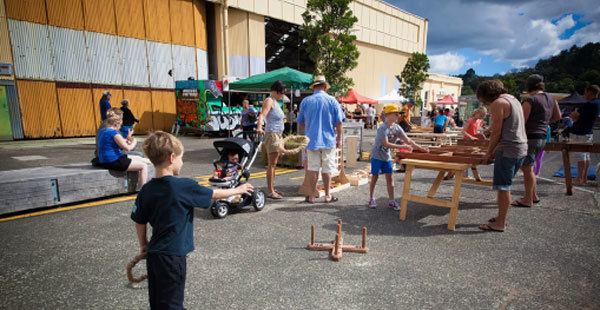
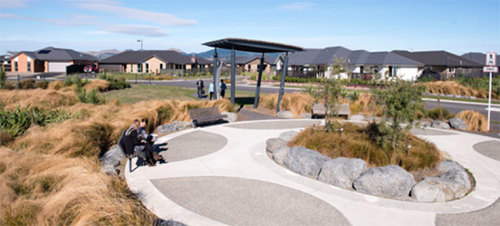
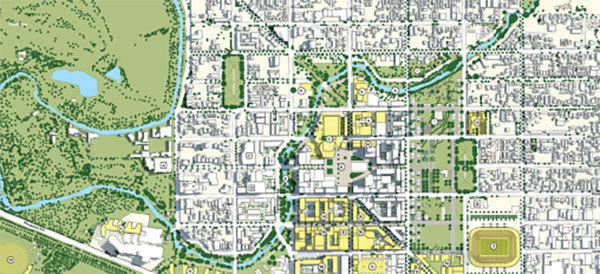

Hobsonville Point
Tāmaki Makaurau Auckland
Schools, parks, shops and transport close to home make active choices easier every day.

Wigram Skies
Ōtautahi Christchurch
Connected streets, local destinations and cultural identity help people feel at home.

Central city living
Ōtautahi Christchurch
Higher-density living close to jobs, services and parks makes walking easier every day.
Main streets and town centres
Main streets and town centres are places to connect, gather and spend time. Active design prioritises people, making it easier to move around, linger and enjoy local destinations.
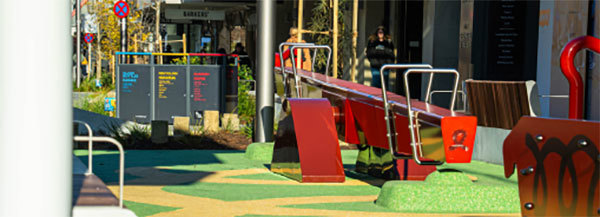

George Street upgrade
Ōtepoti Dunedin
A main street has been redesigned with more space to walk, sit, play, gather and enjoy local life.
Parks and local green spaces
Parks and local green spaces provide everyday opportunities to move, play and connect with nature. Active design helps make them welcoming, accessible and well used by people of all ages.
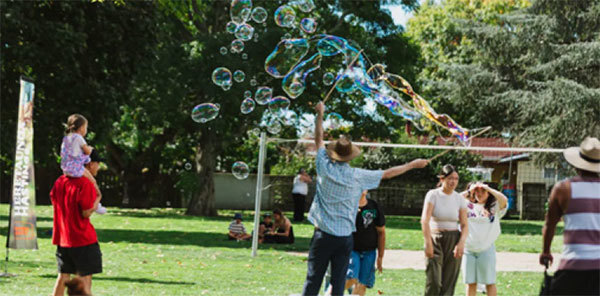

Flaxmere Park
Heretaunga Hastings
A well-loved local park offers many ways to move, play, gather and connect.
City centres
City centres bring together jobs, services, public transport and public spaces. Active design makes it easier to walk, wheel and cycle between destinations while creating vibrant places people enjoy spending time in.
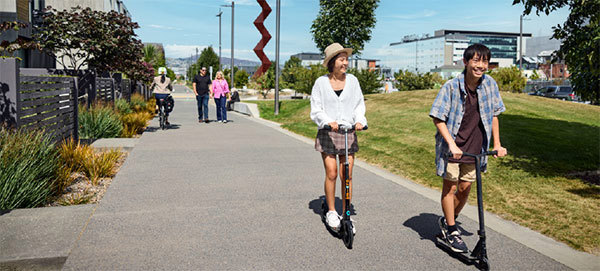
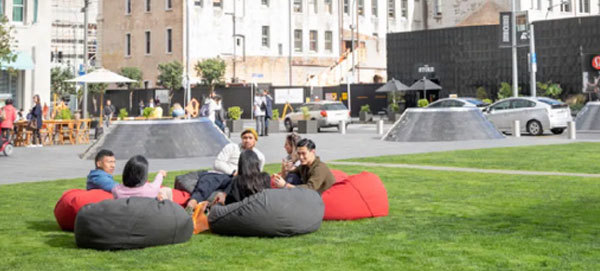

Christchurch Central City
Ōtautahi Christchurch
Connected streets and public spaces make walking around the city centre more enjoyable.

Downtown Auckland
Tāmaki Makaurau Auckland
Waterfront spaces, public transport and walkable streets make walking the easy choice.
Existing neighbourhoods
Small changes can make a big difference in existing neighbourhoods. Active design helps improve everyday movement through safer streets, better connections and more inviting public spaces.
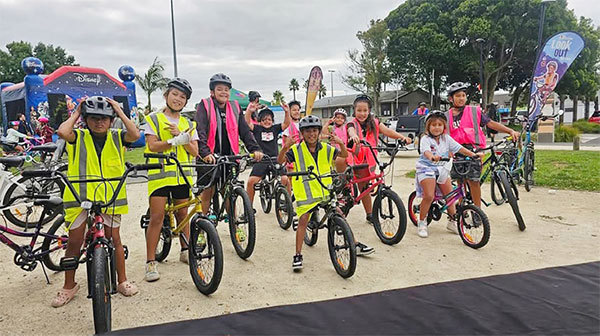

Te Ara Mua – Future Streets, Māngere
Tāmaki Makaurau Auckland
Community-led street changes made walking, cycling, play and movement more inviting.
Business parks and light industrial areas
Business parks and industrial areas can support more than work. Active design creates opportunities for movement, connection and wellbeing through better streets, public spaces and active travel links.
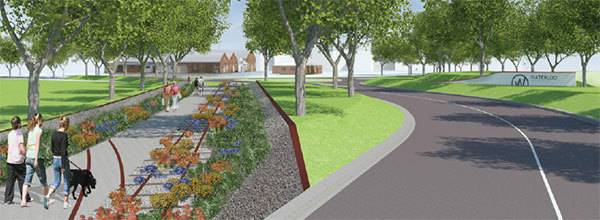

Waterloo Business Park
Ōtautahi Christchurch
Better streets, green spaces and active travel links support movement and wellbeing.
Further resources
Learn more about active design using these helpful resources
Credits and acknowledgements: This video was produced by Sport NZ. We acknowledge the Māori artistry and stories of mana whenua featured in the video. This includes the work of Len Hetet in expressing the narratives of Taranaki Whānui ki te Upoko o te Ika and Ngāti Toa Rangatira in Te Ara Tupua. It also includes the work of Matapopore Charitable Trust in capturing the narratives of Ngāi Tūāhuriri in the rebuild of Ōtautahi. Individual image credits are provided in the PDF.
