Skip to Content

Te Kāhui Tākaro Māori

A network bringing Tākaro Māori to life

What does Te Kāhui Tākaro Māori do?

Te Kāhui Tākaro Māori – The Māori Play Collective is a network of practitioners and organisations leading tākaro Māori in communities across Aotearoa. They help people connect with their identity, te reo Māori, whakapapa and a sense of belonging.

Each member's mahi is guided by the whakapapa, tikanga, mātauranga and people of their community. The network connects practitioners and helps you find tākaro Māori that suits your setting.

Videos from Te Kāhui

New to some of these words? Check the glossary (kuputaka)

Who is Te Kāhui Tākaro Māori for?

Want to learn about, deliver or support tākaro Māori? Connect with practitioners through Te Kāhui Tākaro Māori. This is for:

  • Whānau, hapū, iwi and Māori organisations

  • Kura, schools and education providers

  • Community and play organisations

  • Regional sports trusts and sector organisations

  • Anyone wanting to learn about or support tākaro Māori

Find an organisation in the regional directory below, then contact them directly to discuss what you need. Services and availability vary between organisations. 

Find a Tākaro Māori contact

Below are the regions where Te Kāhui Tākaro Māori members are based, followed by each organisation and what it offers. Find an organisation near you and contact them directly to talk about what you need.

Rohe

Organisation

About

Contact

Te Tai Tokerau

Northland

Tatuu Roa Ltd

Brings traditional tākaro Māori to life through taonga tākaro, stories, knowledge and values passed down through generations, helping whānau of all ages connect with te reo Māori, whakapapa, whenua, identity and wellbeing.

Visit site →

Te Tai Tokerau

Whangārei

Sport Northland

Uses tākaro Māori and traditional Māori games to support movement, play and wellbeing, working closely with whānau and communities through marae, hapū and iwi networks across Northland and the Far North.

Visit site →

Tāmaki Makaurau

Auckland

Toi Tangata

Uses mātauranga Māori, pūrākau, atua Māori-based play, movement and physical activity to support tamariki, particularly those under 5 and their whānau, to strengthen wellbeing, identity, connection and relationships between mātua and pēpi.

Visit site →

Waikato

Tauwhare

Ngā Taiohi o Te Rangitaupi Charitable Trust

Utilise tākaro, mātauranga Māori and taiao-based experiences to connect rangatahi to their whakapapa, pepeha, marae and hapū knowledge, empowering them to become confident contributors and knowledge holders for future generations.

Email contact →

Te Arawa

Rotorua

Te Papa Tākaro o Te Arawa

Uses traditional Māori and indigenous games, local whakapapa, kōrero o nehe and taiao-based recreation to connect tamariki, rangatahi and whānau with Te Arawa identity, mātauranga and wellbeing.

View page →

Te Tairāwhiti

Gisborne

Whiti Ora Tairāwhiti

Expresses local whakapapa through tākaro, pūrākau and connections to Hikurangi Maunga and Māui. Supporting the wellbeing of urban and rural whānau Māori across Te Tairāwhiti through traditional games, waiata and haka, fishing, gathering kai, horse riding and everyday play.

Visit site →

Manawatū-Whanganui

Dannevirke

Te Kete Hauora o Rangitāne

Uses Kī o Rahi and taonga tākaro alongside local Rangitāne pūrākau, te reo Māori, haka and waiata to connect tamariki and rangatahi with culture, language and movement, to develop future leaders.

Visit site →

Te Awakairangi

Lower Hutt

Kōkiri Marae Keriana Olsen Trust

Uses tākaro Māori and kēmu, including waka sailing and community-based play, to keep culture alive and share mātauranga with tamariki, rangatahi and whānau across generations.

Visit site →

Ōpawa

Blenheim

Hawaiki Kura

Uses taonga tākaro, taonga puoro, mau rākau and haka fusion to support healing, cultural connection and wellbeing, with a strong focus on rangatahi while also engaging tamariki, whānau and communities.

Visit site →

Kaikōura

Te Ahi Wairua

Utilises tākaro, mātauranga Māori and taiao-based experiences, including hīkoi whenua and iwi pūrākau, to revitalise local iwi knowledge, strengthen whānau wellbeing and deepen connections between whānau, culture and te taiao.

View page →

Ōtepoti

Dunedin

Te Hou Ora Whānau Services

Uses tākaro workshops and community-based learning to grow the presence and practice of tākaro across schools, whānau and social services, strengthening connections to Te Ao Māori, te taiao and kaitiakitanga while supporting organisations to embed tākaro into their mahi.

Visit site →

Murihiku

Invercargill

Te Kōhanga Reo I Ngā Hau e Whā Committee

A full immersion Māori early childcare centre, through its collaboration with Haututū Tākaro, uses traditional Māori games, movement and play to immerse tamariki in te ao Māori, strengthening te reo, tikanga, whakapapa and cultural identity while nurturing confidence, connection and physical wellbeing.

Visit site →

How tākaro Māori looks in each rohe

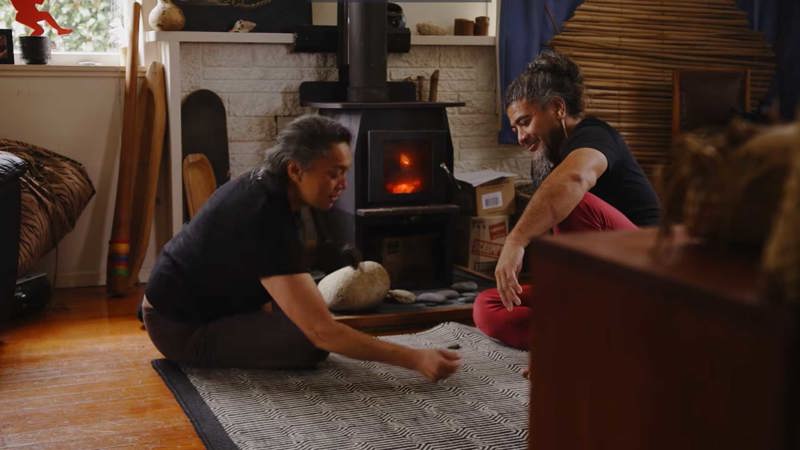
Participants practising an activity together indoors

Troy Tawhai, Te Kete Hauora o Rangitāne

Kī-o-Rahi: it’s more than just a sport

Meet Troy Tawhai from Te Kete Hauora o Rangitāne in Dannevirke.

Troy shares how Kī-o-Rahi and taonga tākaro help rangatahi connect with te ao Māori, grow their confidence and step up as leaders.

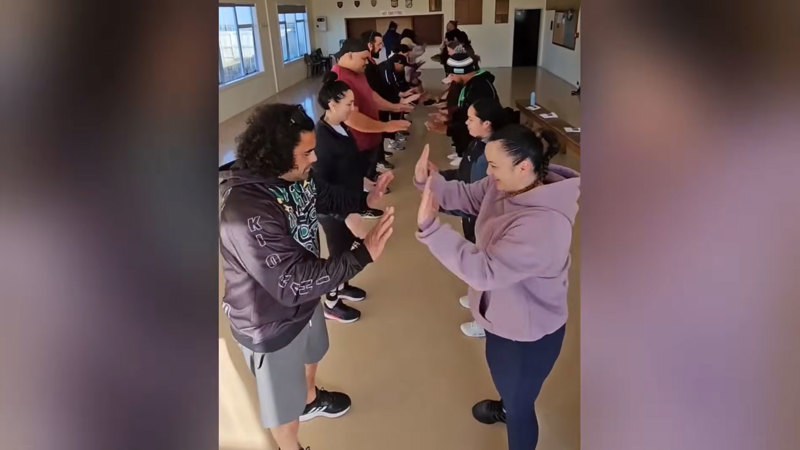
Participants taking part in a paired movement activity indoors

Ambrose Sarich, Tatuu Roa

Tākaro Māori is for anyone and everyone

Meet Ambrose Sarich from Tatuu Roa.

Ambrose shares how traditional knowledge and values, passed down through generations, help whānau of all ages and abilities connect through tākaro Māori.

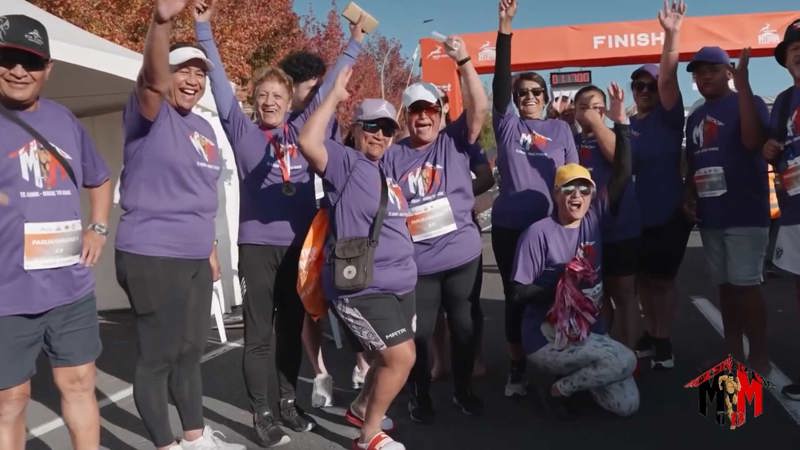
Participants demonstrating a tākaro Māori activity

Stephen Te Moni, Te Papa Tākaro o Te Arawa

An indigenous high performance approach to tākaro Māori

Meet Stephen Te Moni from Te Papa Tākaro o Te Arawa in Rotorua.

Stephen shares how Te Arawatanga, the local stories, identity and mātauranga of Te Arawa, guides tākaro Māori from community play through to indigenous events here and overseas.

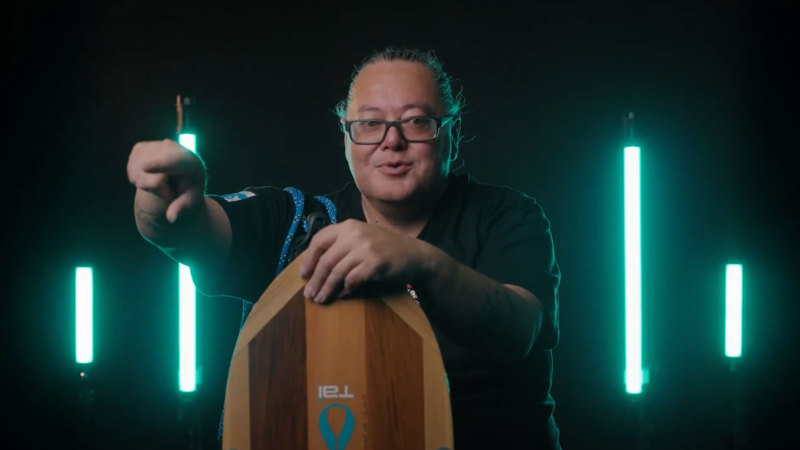
A tākaro Māori activity being demonstrated outdoors

John Kingi, Kōkiri Marae

Tākaro Māori in action

Tākaro Māori looks different in each community.

In this video, John Kingi from Kōkiri Marae shares how tākaro Māori connects tamariki with their whakapapa, tikanga, pūrākau and te taiao. He also reflects on adapting tākaro Māori for his community, learning through observation and passing that knowledge on to others.

Glossary – Kuputaka

Whether these words are new to you or already familiar, this list is here to support your learning as you explore the content, stories and resources on the tākaro Māori webpages. The majority of these explanations were sourced from the online Te Aka Māori Dictionary (opens in a new tab) .

Aotearoa

New Zealand.

Atua Māori

(noun) ancestor with continuing influence, god, demon, supernatural being, deity, ghost, object of superstitious regard, strange being - although often translated as 'god' and now also used for the Christian God, this is a misconception of the real meaning. Many Māori trace their ancestry from atua in their whakapapa and they are regarded as ancestors with influence over particular domains. These atua also were a way of rationalising and perceiving the world. Normally invisible, atua may have visible representations.

Haka

(verb) (-a, -hia, -ina, -tia) to dance, perform the haka, perform.

(modifier) haka performance, posture dance performance, cultural.

(noun) performance of the haka, posture dance - vigorous dances with actions and rhythmically shouted words. A general term for several types of such dances.

Hapū

(noun) kinship group, clan, tribe, subtribe - section of a large kinship group and the primary political unit in traditional Māori society. It consisted of a number of whānau sharing descent from a common ancestor, usually being named after the ancestor, but sometimes from an important event in the group's history. A number of related hapū usually shared adjacent territories forming a looser tribal federation, or iwi.

Iwi

(noun) extended kinship group, tribe, nation, people, nationality, race - often refers to a large group of people descended from a common ancestor and associated with a distinct territory.

Kai

(verb) (-nga, -ngia) to eat, consume, feed oneself, partake or devour.

(verb) (-nga, -ngia) to drink - used for any liquid other than water.

(noun) food, meal.

Kēmu

(noun) game, match.

Kī-o-Rahi

(noun) a traditional ball game played with a small round flax ball called a kī. Two teams of seven players, kīoma and taniwha, play on a circular field divided into zones. Points are scored by touching the pou, or boundary markers, and hitting a central tupu, or target. Rules can vary between geographic areas, including the number of players, field size and tag-ripping rules. The game can be played over four quarters or two halves, with teams alternating the roles of kīoma and taniwha during the game.

Kōrero o nehe

(noun) ancient history, historical text.

Kura

(noun) school, education, learning gathering.

Mahi

(verb) (-a, -ngia) to work, do, perform, make, accomplish, practise or raise money.

(noun) work, job, employment, trade, practice, occupation, activity, exercise, operation or function.

Māori

(verb) to be Māori, apply in a Māori way.

(modifier) normal, usual, natural, common, ordinary.

(noun) Māori, indigenous New Zealander, indigenous person of Aotearoa/New Zealand - a new use of the word resulting from Pākehā contact in order to distinguish between people of Māori descent and the colonisers.

Marae

(noun) courtyard - the open area in front of the wharenui, where formal greetings and discussions take place. Often also used to include the complex of buildings around the marae.

Mātauranga

(noun) knowledge, wisdom, understanding, skill - sometimes used in the plural.

(noun) education - an extension of the original meaning and commonly used in modern Māori with this meaning.

(noun) knowledgeable person, sage, scholar, intellectual, academic.

Mātauranga Māori

(noun) Māori knowledge - the body of knowledge originating from Māori ancestors, including the Māori world view and perspectives, Māori creativity and cultural practices.

Mātua

(noun) parents - plural form of matua.

Mau rākau

(verb) to wield weapons.

(modifier) armed, wielding weapons.

(noun) Māori weaponry.

Māui

A celebrated demigod, culture hero and trickster in Māori and wider Polynesian mythology.

Maunga

(noun) mountain, mount, peak.

Pēpi

(noun) baby, infant.

Pūrākau

(noun) myth, ancient legend, story.

Rangatahi

(noun) younger generation, youth.

Tākaro

(noun) sport, game, recreational activity.

Tākaro Māori

Māori ways of playing.

Tamariki

(verb) (-ngia, -tia) to be young.

(modifier) young, youthful, immature, when referring to people.

(noun) children - normally used only in the plural.

Taonga puoro

(noun) musical instrument.

Taonga tākaro

(noun) toy or equipment to play with.

Te ao Māori

A Māori worldview.

Te Kāhui Tākaro Māori

The Māori Play Collective.

Te reo Māori

The Māori language.

Te taiao

(noun) world, Earth, natural world, environment, nature, country.

Tikanga

(noun) correct procedure, custom, habit, lore, method, manner, rule, way, code, meaning, plan, practice, convention, protocol - the customary system of values and practices that have developed over time and are deeply embedded in the social context.

Waiata

(verb) (-hia, -tia) to sing.

(noun) song, chant, psalm.

Waka

(noun) canoe, vehicle, conveyance, spirit medium or medium of an atua.

Long, narrow receptacle or box for feathers.

(noun) water trough.

(noun) allied kinship groups descended from the crew of a canoe that migrated to New Zealand and occupied a defined territory.

(noun) crew of a canoe.

Whakapapa

(noun) genealogy, genealogical table, lineage, descent - reciting whakapapa was, and is, an important skill and reflected the importance of genealogies in Māori society in terms of leadership, land and fishing rights, kinship and status. It is central to all Māori institutions. There are different terms for the types of whakapapa and the different ways of reciting them including: tāhū (recite a direct line of ancestry through only the senior line); whakamoe (recite a genealogy including males and their spouses); taotahi (recite genealogy in a single line of descent); hikohiko (recite genealogy in a selective way by not following a single line of descent); ure tārewa (male line of descent through the first-born male in each generation).

Whānau

(noun) extended family, family group, a familiar term of address to a number of people - the primary economic unit of traditional Māori society. In the modern context the term is sometimes used to include friends who may not have any kinship ties to other members.

Whenua

(noun) land - often used in the plural.

(noun) country, land, nation, state.

(noun) ground.

(noun) territory, domain.

burger close icon

Stay updated

Me whakahoutia

Keep up-to-date with news, events, and initiatives across the play, active recreation and sport sector.
No thanks