Understand tākaro Māori
Learn what tākaro Māori is, where it comes from and why it matters.

Tākaro Māori is how whānau Māori play, connect, build skills and stay active together, while learning about Māori history and culture, te reo Māori, whakapapa, pūrākau and the world around them.
It looks different in every community, shaped by whānau, hapū and iwi.
It includes indigenous sports, hand games, games made from natural materials in te taiao, Māori musical instruments and storytelling. It also brings whānau together, supports healing as rongoā and builds key development skills.
Pūrākau are key to tākaro Māori. They share knowledge about atua Māori and their connections to te taiao. Many activities, such as Kī-o-Rahi and waka ama, are linked to these pūrākau.
Whether you already deliver tākaro Māori or are just starting out, choose the pathway that best suits you.
Learn what tākaro Māori is, where it comes from and why it matters.
Hear from whānau and find practical ideas to try at home.
See how kura, marae and community groups make tākaro Māori part of their work and find resources to get started.
Meet Te Kāhui Tākaro Māori – The Māori Play Collective and find practitioners leading tākaro Māori in your rohe.
Read research and case studies that center Māori voices, and learn how tākaro Māori supports whānau and community wellbeing.
Tākaro Māori strengthens connections between whānau, culture and place. Its benefits are closely linked.
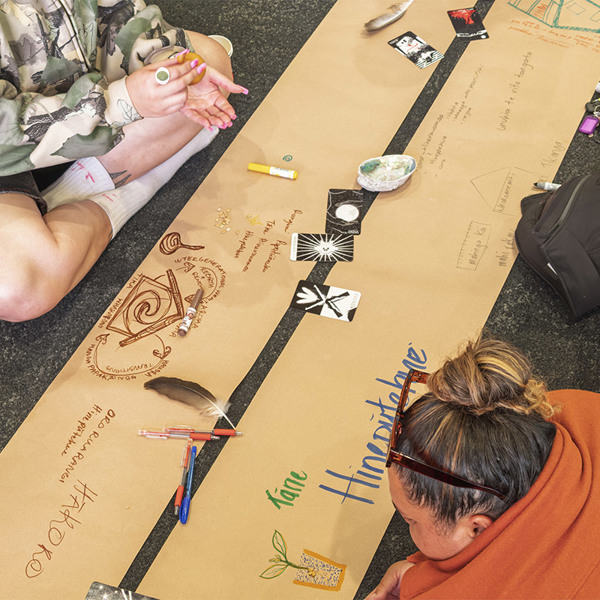
People learn who they are and where they come from, while having fun together.
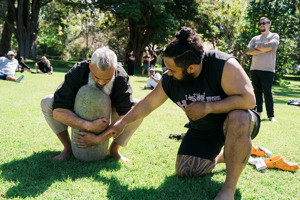
Through play and movement, whānau pass on te reo Māori and local tikanga across generations.
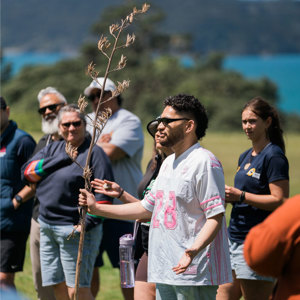
Tākaro Māori builds strong relationships within whānau and across communities.
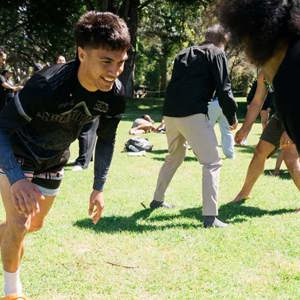
Tākaro Māori reflects a Māori worldview and gives whānau ways to play that are uniquely Māori.
Tākaro Māori looks different in each community. In this video, John Kingi from Kōkiri Marae shares how tākaro Māori connects tamariki with their whakapapa, tikanga, pūrākau and te taiao. He also reflects on adapting tākaro Māori for his community, learning through observation, and passing that knowledge on to others.
This transcript is provided for people who cannot access the video or prefer to read its content.
Our team, we're in all these different spaces. Usually it’s kura.
When it comes to our mahi, we work with everyone.
We've gotten really good at watching hapori, seeing what motivates them and what doesn't, and matching the tākaro to suit those tamariki.
That’s one of the real strengths of what we do. Taonga tākaro has become a sector now.
That's taken a lot of hard mahi, hard graft by a lot of people, where people actually recognise it as standalone, or a sort of sub-kaupapa that commands time and respect.
There's more depth to what we do, and that depth comes from our history and our whakapapa.
Comes from tikanga and kawa, the way we do things.
That would not have happened without whānau constantly playing and testing these taonga, these kēmu, these ideas.
Slowly but surely, that kōrero comes back, particularly with kaupapa that's based in the environment.
There's a whole lot of reo and kōrero attached to that, that you only see and you only discover if you're there.
That's where some of the real depth, some of the real connection comes from.
At different stages in the understanding in their development, they will understand different pieces of kōrero.
Further on down the track, they might understand a whole lot more, or something might pop up and they go “I've seen that observation out in the taiao”.
“I’ve seen it, and I can relate it to kōrero from my tūpuna."
Tākaro Māori looks different across Aotearoa. Whānau, kura, iwi and community groups ensure it reflects their people, places and aspirations.

Members bring their own knowledge and relationships, and their mahi is guided by the whakapapa and aspirations of their communities.
The network connects practitioners and helps more people experience tākaro Māori in ways that suit them.
Practitioners, whānau and communities hold the knowledge and leadership of tākaro Māori.
To bring tākaro Māori into your community, connect with local practitioners through Te Kāhui Tākaro Māori. They can guide you in ways that respect local knowledge, tikanga and whakapapa. Contact organisations directly to discuss their services and availability.
Whether these words are new to you or already familiar, this list is here to support your learning as you explore the content, stories and resources on the tākaro Māori webpages. The majority of these explanations were sourced from the online Te Aka Māori Dictionary .
Atua Māori
(noun) ancestor with continuing influence, god, demon, supernatural being, deity, ghost, object of superstitious regard, strange being - although often translated as 'god' and now also used for the Christian God, this is a misconception of the real meaning. Many Māori trace their ancestry from atua in their whakapapa and they are regarded as ancestors with influence over particular domains. These atua also were a way of rationalising and perceiving the world. Normally invisible, atua may have visible representations.
Hapū
(noun) kinship group, clan, tribe, subtribe - section of a large kinship group and the primary political unit in traditional Māori society. It consisted of a number of whānau sharing descent from a common ancestor, usually being named after the ancestor, but sometimes from an important event in the group's history. A number of related hapū usually shared adjacent territories forming a looser tribal federation, or iwi.
Hauora
(stative) be fit, well, healthy, vigorous, in good spirits.
(noun) health, vigour.
Iwi
(noun) extended kinship group, tribe, nation, people, nationality, race - often refers to a large group of people descended from a common ancestor and associated with a distinct territory.
Kī-o-Rahi
(noun) a traditional ball game played with a small round flax ball called a kī. Two teams of seven players, kīoma and taniwha, play on a circular field divided into zones. Points are scored by touching the pou, or boundary markers, and hitting a central tupu, or target. Rules can vary between geographic areas, including the number of players, field size and tag-ripping rules. The game can be played over four quarters or two halves, with teams alternating the roles of kīoma and taniwha during the game.
Kura
(noun) school, education, learning gathering.
Mahi
(verb) (-a, -ngia) to work, do, perform, make, accomplish, practise or raise money.
(noun) work, job, employment, trade, practice, occupation, activity, exercise, operation or function.
Māori
(verb) to be Māori, apply in a Māori way.
(modifier) normal, usual, natural, common, ordinary.
(noun) Māori, indigenous New Zealander, indigenous person of Aotearoa/New Zealand - a new use of the word resulting from Pākehā contact in order to distinguish between people of Māori descent and the colonisers.
Marae
(noun) courtyard - the open area in front of the wharenui, where formal greetings and discussions take place. Often also used to include the complex of buildings around the marae.
Pūrākau
(noun) myth, ancient legend, story.
Rohe
(noun) boundary, district, region, territory, area, border of land.
Rongoā
(noun) remedy, medicine, drug, cure, medication, treatment, solution to a problem or tonic.
Tākaro Māori
Māori ways of playing.
Tamariki
(verb) (-ngia, -tia) to be young.
(modifier) young, youthful, immature, when referring to people.
(noun) children - normally used only in the plural.
Taonga tākaro
(noun) toy or equipment to play with.
Te Kāhui Tākaro Māori
The Māori Play Collective.
Te reo Māori
The Māori language.
Te taiao
(noun) world, Earth, natural world, environment, nature, country.
Tikanga
(noun) correct procedure, custom, habit, lore, method, manner, rule, way, code, meaning, plan, practice, convention, protocol - the customary system of values and practices that have developed over time and are deeply embedded in the social context.
Waiata
(verb) (-hia, -tia) to sing.
(noun) song, chant, psalm.
Waka ama
Outrigger canoe.
Whakapapa
(noun) genealogy, genealogical table, lineage, descent - reciting whakapapa was, and is, an important skill and reflected the importance of genealogies in Māori society in terms of leadership, land and fishing rights, kinship and status. It is central to all Māori institutions. There are different terms for the types of whakapapa and the different ways of reciting them including: tāhū (recite a direct line of ancestry through only the senior line); whakamoe (recite a genealogy including males and their spouses); taotahi (recite genealogy in a single line of descent); hikohiko (recite genealogy in a selective way by not following a single line of descent); ure tārewa (male line of descent through the first-born male in each generation).
Whānau
(noun) extended family, family group, a familiar term of address to a number of people - the primary economic unit of traditional Māori society. In the modern context the term is sometimes used to include friends who may not have any kinship ties to other members.

