
Shaping the future of circus arts with rangatahi
Shaping the future of circus arts with rangatahi
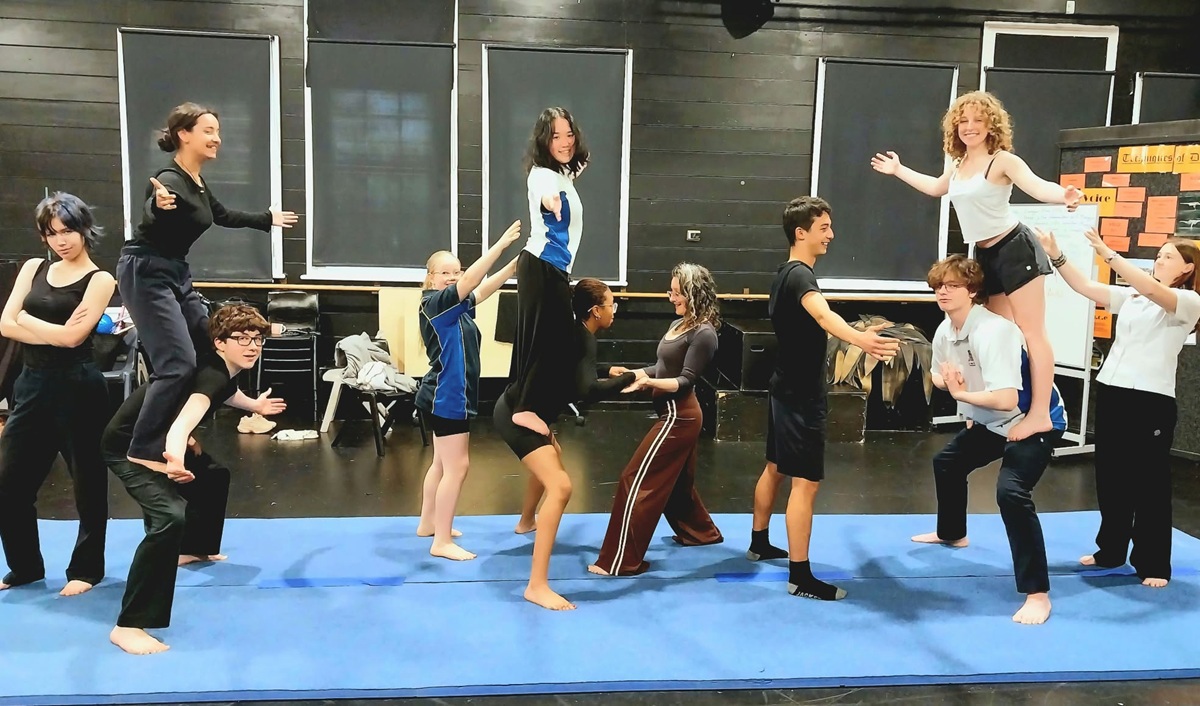 Thames High School students give circus arts a go as part of the Active As programme.
How Aotearoa New Zealand Circus Association (ANZCA) co-created a strategy with the sector and rangatahi to support rangatahi in circus arts.
Across Aotearoa, more rangatahi are experiencing the thrill, challenge and creative outlet of circus arts. Combining strength, flexibility and stamina with artistic expression, circus arts offer different ways to move, create and connect.
For Eve Gordon, Director of The Dust Palace and ANZCA board member, supporting rangatahi means creating a sector that welcomes them as they are.
“Our rangatahi are growing up in an ever-changing environment, our role is to build a sector that is welcoming for rangatahi to come as they are. The breadth of circus arts enables us to create opportunities for people with varied interests, bodies and creative processes to move in ways that bring joy and a shared sense of wellbeing.”
A strategy shaped by the sector and rangatahi
ANZCA developed a national strategy to support and grow opportunities for rangatahi in circus arts. Co-designed from the outset, it was shaped by the expertise, experience and insights of the sector and rangatahi themselves.
“We knew if we wanted our strategy to have lasting impact we'd need to be really listening to the sector. We are a collective of small, geographically dispersed organisations that deliver a lot with limited resources. So the strategy had to reflect what would be possible on the ground,” says Eve.
11 organisations took part. They heard directly from rangatahi at circus events, through online hui and a survey, then used that feedback to help shape the strategy.
“The co-design process revealed how difficult it can be for the overstretched circus organisations to have the time and space to think beyond immediate operational challenges,” says Eve.
ANZCA responded by adapting its approach, changing the format of engagement in response to seasonal workloads and allowing more time where needed.
Eve says Sport NZ’s practical support and one-off active recreation funding helped ANZCA bring people together and create space to consider the wider challenges facing rangatahi.
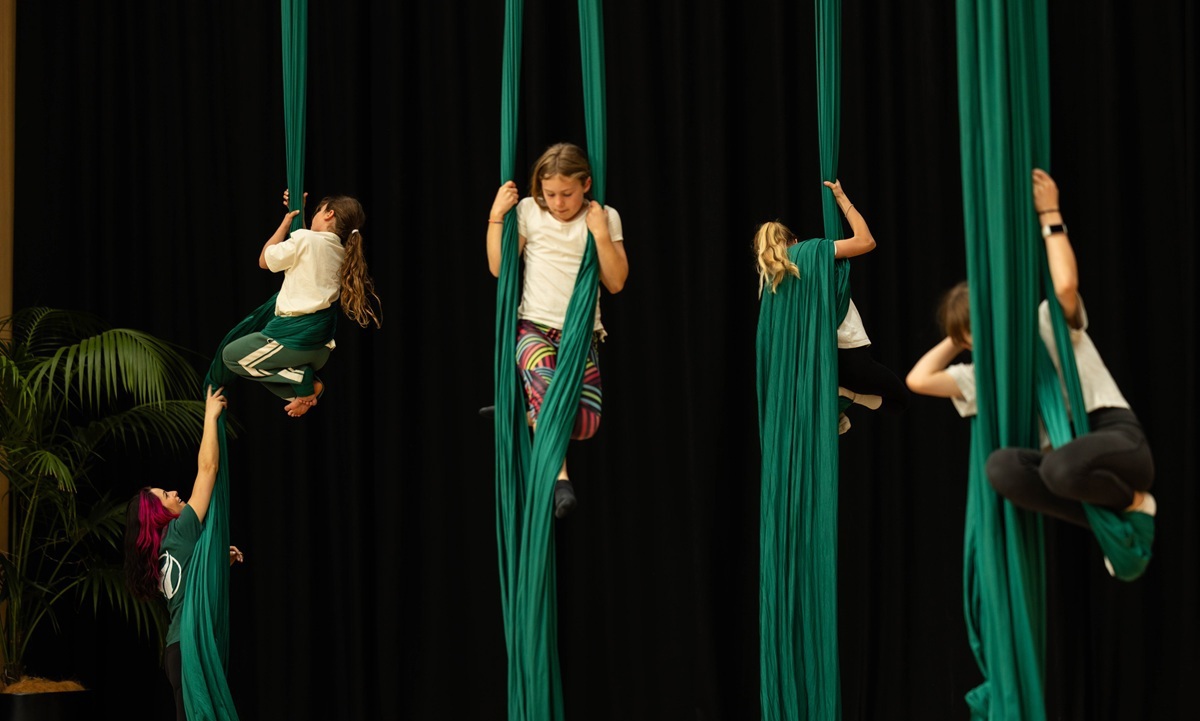
What the strategy focuses on
ANZCA’s new strategy Elevate aims to whakamana (empower, enable, acknowledge and enhance mana and people), support and elevate the experience of rangatahi within circus arts. It focuses on 3 ways of working:
Within day-to-day practice: strengthening existing programmes, practices and people.
Beyond usual practice: creating new opportunities and approaches.
Across the sector: taking collective action to make changes that no single group could achieve alone.
The strategy uses rope as the organising idea, representing strength, possibility and support. Rangatahi are at the centre, surrounded by 5 strands representing access, perceptions, connectedness, knowledge and pathways. Together, these strands create a stronger whole.
Video: ANZCA introduces its new strategy.
Bringing the strategy to life
ANZCA launched Elevate through a virtual interactive experience, reflecting the creativity and energy of the circus arts sector, and giving people different ways to engage with it.
People could navigate the virtual space, visit a gear cupboard to learn about different apparatus and disciplines, and watch short videos of rangatahi practising and performing.
ANZCA hopes the collective approach will help the sector respond to the current and future needs of rangatahi. Across Aotearoa, 83 studios are working with rangatahi, across more than 100 different circus disciplines, creating growing opportunities to give circus arts a go.
Want to know more about how ANZCA approached co-design? Explore the process below, along with resources that can help you involve young people in your own mahi.
-
Involve the people most affected from the start
ANZCA involved 11 circus organisations in developing the strategy, prioritising the practitioners who help put the strategy into practice.
“Having everyone in the room from the start helped build the buy-in that will lead to the shifts and changes that create impact in the long term," says Eve.
Participating organisations also engaged directly with rangatahi, including at circus events and online, and brought what they heard back into the strategy process.
-
Make it easy for people to stay involved
The group met regularly online so people could participate alongside their other commitments.
“The strategy process has a lot in common with our creative practice, using physical-theatre methods and maintaining the belief that ‘more brains are better than one’,” says Eve.
Sessions also included quick-fire questions, timed writing and other structured activities. One-to-one conversations provided another way for organisations to contribute and were valuable for understanding individual priorities and perspectives that might not otherwise have been shared in a group.
-
Use a process that helps you hear different perspectives
ANZCA used the double diamond co-design approach, which involves exploring a wide range of perspectives before narrowing the focus and developing potential solutions.
“We used the double diamond co-design approach as it felt like the best way of gathering the most unfiltered perspectives from the outset. Even though it can feel messy when in the middle of it, we trusted the method and it worked out,” says Eve.
Sessions were facilitated by Dr Carlene Newall de Jesus, who drew on her research expertise and knowledge of the circus sector. Earlier hui helped shape questions and discussion points for later sessions.
-
Be flexible with the process
ANZCA recognised that it can be challenging for organisations to find time and space to look beyond immediate operational challenges.
It adapted the format of engagement in response to seasonal workloads and allowed more time where needed.
This helped create space for participants to move beyond day-to-day challenges and focus on the longer-term needs of rangatahi and the sector.
Resources
Youth Voices in Active Recreation and Sport: guidance to help you involve young people in your mahi and create more meaningful opportunities.
Research with rangatahi: a resource to support involving young people in research, including clarifying your purpose, choosing research methods and sharing findings.
Co-design: guidance and resources for working alongside people and communities to shape solutions that will work for them.
Mana Taiohi Framework: a principle-based framework that can guide your work with young people in Aotearoa.


